
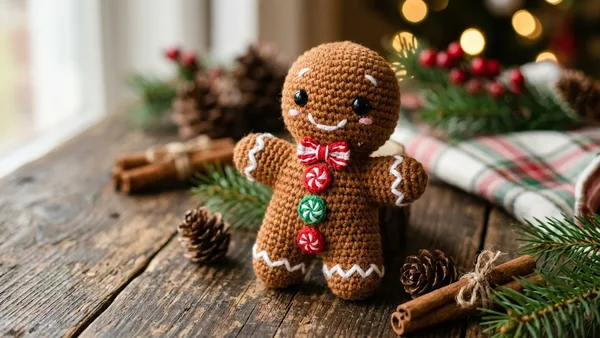
 FREE PATTERN Beginner
Fiber Craft & Yardage Standards Desk
Ideacrochet: Free Crochet Patterns & Universal Yardage Engine
Universal yarn yardage calculator, international crochet hook conversions, amigurumi resizer, and 830+ free step-by-step patterns.
Project Archetype:
in
in
yd / skein
Select Hook Size:
US Letter / Number H-8
Metric (mm) 5.00 mm
UK / Canadian Vintage 6
in
in
yd
g
sts
sts
in
CURRENT ROUND / ROW
1
Round 1 of 24 (4%) Your Saved Projects in Bag (0):
Your project bag is currently empty. Tap "Save to Project Bag" above to bookmark your current craft recipe!
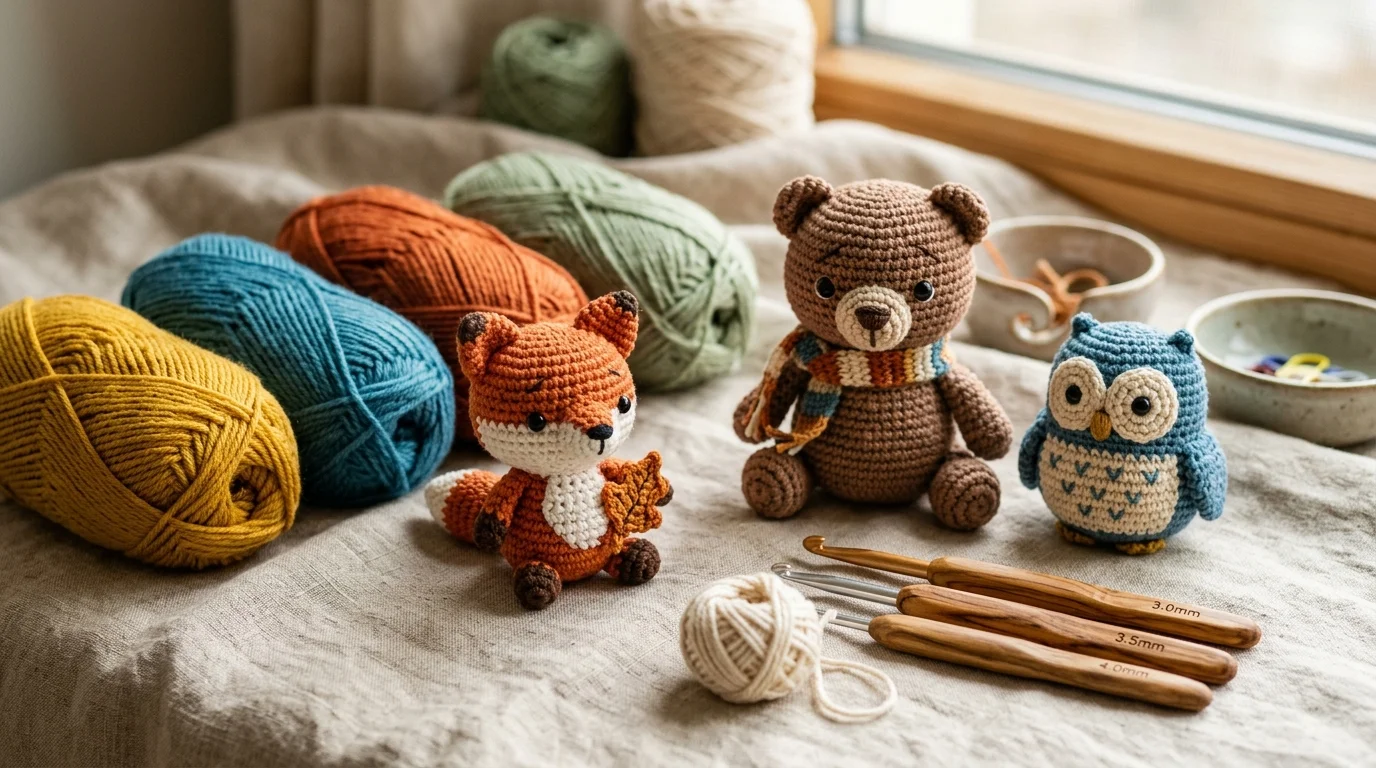
Tactile Fiber Craft
Primary Entity: Crochet (Q170440) & Amigurumi (Q471017) CYC 0–7 • 10% Buffer
Universal Crochet Yardage, Skein & Hook Size Conversion Engine
Position #0 Direct Answer
Ideacrochet is the definitive free crochet pattern library and universal fiber craft calculation engine. Crafters, designers, and makers calculate exact yarn yardage in yards and meters, Craft Yarn Council (CYC) skein requirements with a 10% safety buffer, international hook size conversions (US, Metric mm, UK), amigurumi quadratic stitch and cubic stuffing scaling, and gauge swatch adjustments with zero latency.
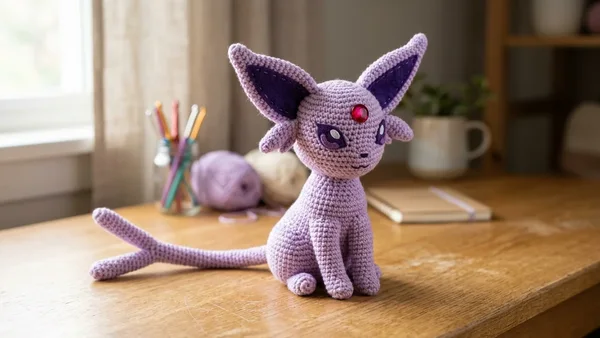
Whether crocheting an heirloom afghan blanket, following our crochet espeon pattern, or shaping a delicate amigurumi character, calculating reliable material requirements is essential to prevent the frustrating "yarn chicken" phenomenon. Our calculation engine utilizes empirical Craft Yarn Council standards to give crafters exact Skein Estimation before purchasing yarn or casting on.
Crochet hook taxonomy varies significantly by region and era. While modern patterns predominantly reference shaft diameter in millimeters (e.g., 5.00mm), North American crafters frequently consult US letter designations (such as H-8 or I-9), and vintage Commonwealth patterns rely on inverted UK numerical gauges where smaller numbers indicate thicker tools. Our bi-directional hook matrix eliminates guesswork, ensuring consistent stitch gauge across global vintage and contemporary designs.
Before embarking on large projects, working a standardized 4″ × 4″ gauge swatch is critical. Hand tension, hook material, and fiber Tensile Elasticity directly influence stitch dimensions. Pair your swatching with our built-in digital Row Counter to track continuous spirals and eliminate gauge disparities.
The 6 Core Craft Silos: Amigurumi, Quilting, Wearables & Accessories
01
Amigurumi Animals & Plushies
Over 830 free step-by-step patterns featuring continuous spirals, invisible decreases, and safety eye guides.
Explore free amigurumi patterns →02
Dimensional Quilt Blocks
Master prairie point fabric folding, heat-resistant hot pads, and circular eight-point geometric star centerpieces.
Read folded star quilt pattern →03
Vintage Totes & Bags
Geometric two-tone granny square bags, reinforced handles, and zero-sag mercerized cotton market totes.
Explore crochet battenberg bag pattern →04
Baby Wearables & Garments
Hypoallergenic bamboo-cotton heirloom baby vests, envelope necks, and whimsical animal appliqué motifs.
View crochet baby vest pattern →05
Holiday & Seasonal Motifs
Festive gingerbread men with embroidered icing, Christmas tree ornaments, and winter holiday gifts.
View free crochet gingerbread man pattern →06
Woodland Wildlife Plushies
Textured paddle tail beavers, forest foxes, pugs, and low-sew amigurumi companions.
View beaver crochet pattern →Why Crafters Run Out of Yarn: The 'Yarn Chicken' Trap & Tension Buffers
When a pattern specifies "4 skeins of Brand X", slight variations in stitch height, hook shaft tolerance, or blocking can increase total yarn consumption by 8% to 15%. If your gauge is even half a stitch tighter or looser per inch, a queen-sized afghan can demand an entire extra ball of yarn.
Running short of yarn with only three rows left on a blanket border forces makers into the dreaded "dye lot crisis". Commercial yarn mills dye batches of fiber under precise thermal and chemical formulas, resulting in distinct dye-lot numbers printed on skein bands. Purchasing an extra skein months later from a different dye lot frequently results in visible shade mismatches. Our mandatory 10% mathematical safety buffer guarantees you have adequate yardage for swatching, seaming, and edging without color variance.
Understanding metric vs imperial yarn puts-ups is equally vital: while North American skeins list yardage and ounces (e.g. 3.5 oz / 315 yd), European and Australian skeins specify grams and meters (e.g. 100g / 288m). Our calculator seamlessly translates between metric and imperial dimensions, ensuring international makers never misjudge commercial skein requirements.
EMPIRICAL YARN FORMULATION Craft Yarn Council Standardized System (CYC 0–7)
Craft Yarn Council Area Yardage Model
Y_{ ext{total}} = (W imes L) imes D_{ ext{CYC}} imes (1.0 + B_{0.10})
Notation: Total Yardage = (Width × Length) × CYC Density × (1.0 + 10% Safety Buffer)
Variable Definition & Units
A
Fabric Area [sq in]
Width × Length of the finished crochet project
D_CYC
CYC Weight Density [yd/sq in]
Standard yarn consumption coefficient (e.g. 1.15 for #4 Worsted)
B_0.10
Tension Buffer [multiplier]
10% safety allowance preventing yarn chicken shortages
Y_total
Total Yardage [yd]
Gross yardage required to complete project
Calibrated Example:
A 50″ × 60″ Throw Blanket in CYC #4 Worsted (density 1.15): Area = 3,000 sq in. Base yardage = 3,450 yd. With 10% tension buffer: 3,795.0 total yards (approx 13 skeins of 315 yd put-up).
Craft Yarn Council (CYC) Weight Standard & Hook Compatibility Guide
Understanding the relationship between yarn weight classes, grist density, and hook sizing is essential for successful pattern substitution. Plant fibers like cotton and linen have low natural crimp and elasticity, requiring firm tension and slightly smaller hooks, whereas wool and acrylic fibers compress and bloom when blocked, forgiving minor tension irregularities.
When evaluating alternative yarn brands within the same Craft Yarn Council numerical category, always inspect the manufacturer put-up metric (length in meters or yards per 100 grams). Two yarns labeled as CYC #4 Worsted can exhibit substantial grist variance: a denser cotton worsted yielding 160 meters per 100g requires significantly more skeins by weight than an airy blown alpaca or roving wool yielding 220 meters per 100g. Calculating your project with our universal engine ensures zero yardage deficit regardless of fiber density.
| CYC # | Category Name | Metric Hook | US Hook | Density Factor | Typical Projects |
|---|---|---|---|---|---|
| CYC #0 | Lace / Fingering | 1.6 – 2.25 mm | Steel 6 to B-1 | 0.60 yd/in² | Doilies, lace shawls |
| CYC #1 | Super Fine / Sock | 2.25 – 3.25 mm | B-1 to D-3 | 0.80 yd/in² | Socks, micro-amigurumi |
| CYC #2 | Fine / Sport | 3.25 – 3.75 mm | D-3 to E-4 | 0.95 yd/in² | Baby garments, light toys |
| CYC #3 | Light / DK | 3.75 – 4.50 mm | F-5 to 7 | 1.05 yd/in² | Baby vests, light afghans |
| CYC #4 | Medium / Worsted | 4.50 – 5.50 mm | 7 to I-9 | 1.15 yd/in² | Amigurumi, throw blankets |
| CYC #5 | Bulky / Chunky | 5.50 – 8.00 mm | I-9 to L-11 | 1.35 yd/in² | Warm winter hats, cowls |
| CYC #6 | Super Bulky | 8.00 – 11.0 mm | L-11 to M/N-13 | 1.60 yd/in² | Thick floor rugs, baskets |
| CYC #7 | Jumbo | 15.0 mm and up | P/Q and up | 2.00 yd/in² | Arm crochet, chunky throws |
Trending Free Patterns & Tutorials
View All 830+ Patterns →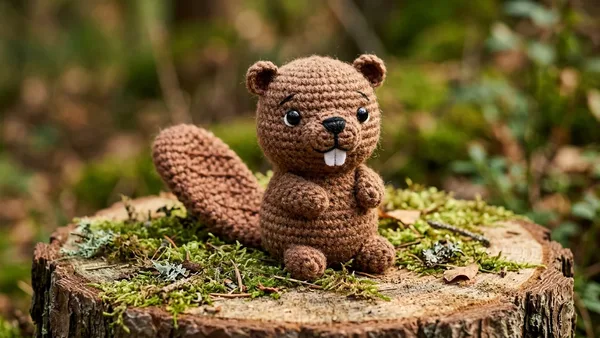
Frequently Asked Questions About Crochet Patterns & Yardage Calculations
How do I calculate how much yarn I need for a blanket?
To calculate blanket yarn requirements, multiply finished width by length in inches to determine surface area. Multiply this area by the Craft Yarn Council (CYC) density factor (e.g. 1.15 yd/sq in for CYC #4 Worsted). Finally, add a mandatory 10% tension buffer to account for swatching and individual tension variations.
Why should I add a 10% yarn safety buffer to my projects?
Every crafter maintains unique hand tension, hook grip, and yarn turn radius. A 10% buffer prevents running out of yarn near the end of a project (known as 'yarn chicken'), allowing you to complete borders without seeking dye-lot matches.
What is the difference between US, Metric, and UK crochet hooks?
US hooks use letter and number designations (e.g. H-8), Metric hooks measure the exact millimeter diameter of the shaft (5.00mm), and vintage UK hooks use inverted numerical gauges where smaller numbers indicate thicker hooks (UK 6 = 5.00mm).
Why does scaling an amigurumi toy require cubic stuffing math?
While toy height scales linearly, the exterior surface area containing stitches expands quadratically (S²), and the interior cavity holding polyfill fiberfill expands cubically (S³). Doubling toy height (2×) requires 4× more yarn and 8× more stuffing mass.